
Unlock Efficiency: The Ultimate Guide to Gantry Crane Sourcing
Introduction: Navigating the Global Market for gantry crane
In today’s rapidly evolving global marketplace, the gantry crane stands as a crucial asset for businesses involved in heavy lifting and transportation across various industries, including construction, manufacturing, and shipping. As international B2B buyers from Africa, South America, the Middle East, and Europe seek reliable solutions to enhance operational efficiency, understanding the nuances of gantry crane procurement becomes paramount.
This guide serves as an essential resource, empowering decision-makers to navigate the complexities of sourcing gantry cranes tailored to their specific operational needs. We delve into the critical aspects of the gantry crane market, covering a range of topics from the latest technological advancements and market trends to key factors influencing pricing and supplier selection.
By equipping buyers with actionable insights, this guide not only facilitates informed purchasing decisions but also highlights best practices for negotiating contracts and ensuring compliance with safety standards. Whether you are looking to invest in a single unit or explore large-scale procurement options, the information contained herein is designed to help you maximize value and achieve operational excellence in your projects. With a firm grasp of the global gantry crane landscape, your organization can leverage its purchasing power to secure the best equipment at competitive prices, ultimately driving growth and productivity in your operations.
Understanding gantry crane Types and Variations
Mobile Gantry Crane
Mobile gantry cranes are designed for portability and ease of use, making them ideal for various B2B applications in construction and warehouse management. They feature adjustable heights and can be easily assembled and disassembled, allowing for flexible site usage. However, their lifting capacity is limited compared to fixed gantry cranes, making them less suitable for heavy loads.
Fixed Gantry Crane
Fixed gantry cranes are permanent installations that provide high lifting capacities, making them essential in shipyards and large manufacturing facilities. Their robust structure allows them to handle heavy loads with stability, ensuring safe operations. However, their lack of mobility and the requirement for substantial installation space can limit their versatility.
Semi-Gantry Crane
A semi-gantry crane combines features of both mobile and fixed cranes, with one side fixed and the other mobile. This design makes them suitable for applications in manufacturing and loading docks where space is a concern. They provide a balance of mobility and stability but have limitations in reach and lifting height compared to fully fixed options.
Double Girder Gantry Crane
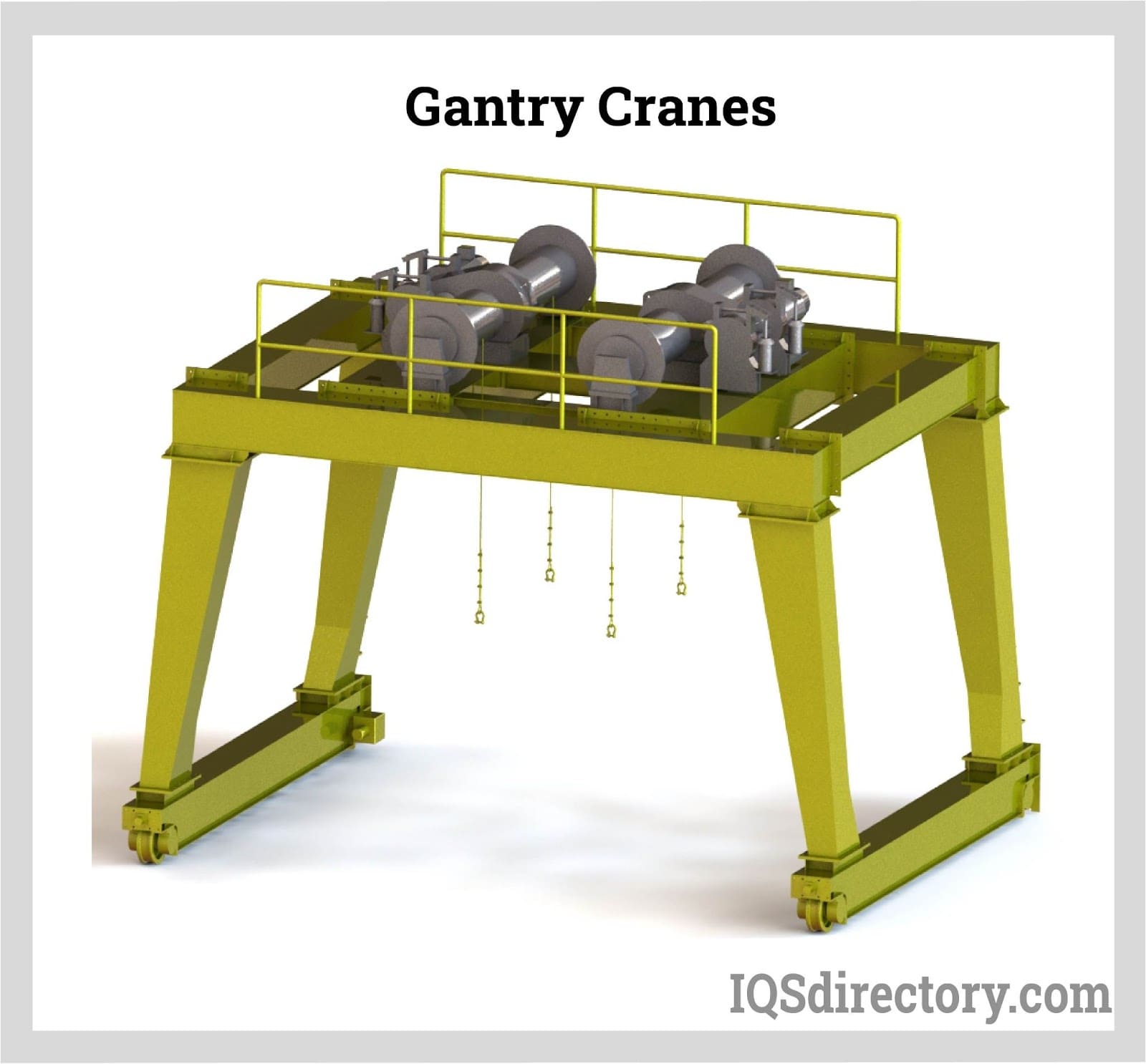
Double girder gantry cranes are equipped with two girders, offering enhanced stability and load capacity. They are often used in heavy equipment manufacturing and steel mills, where robust lifting solutions are necessary. While they can handle heavy-duty tasks efficiently, their higher cost and complexity in installation can be a drawback for some businesses.
Single Girder Gantry Crane
Single girder gantry cranes are designed for lighter applications and are often found in smaller workshops or used for light material handling. Their lightweight and cost-effective design make them easy to install and maintain. However, they come with lower lifting capacities and stability, making them less suitable for heavy industrial applications.
Understanding the various types of gantry cranes allows international B2B buyers to choose the right equipment that aligns with their operational needs, budget, and workspace constraints, ensuring efficient material handling and enhanced productivity.
Key Industrial Applications of gantry crane
In the context of international B2B markets, gantry cranes serve critical roles across various industries, significantly enhancing operational efficiency and safety. Below are key industries where gantry cranes are indispensable, along with specific applications, business value, and sourcing considerations.
Detailed Applications
Manufacturing: Heavy Equipment Assembly
In the manufacturing sector, gantry cranes are pivotal for assembling heavy machinery and equipment. They allow for the precise positioning of components, which is crucial in industries such as aerospace and heavy machinery. The use of gantry cranes minimizes the risk of injury from manual lifting and enhances productivity by reducing assembly time. Buyers should focus on cranes that offer high load capacities and versatility in movement to adapt to different assembly lines.
Construction: Material Handling and Transport
Gantry cranes are extensively used on construction sites for the handling of materials such as steel beams and precast concrete elements. Their ability to lift heavy loads and maneuver them into place simplifies complex construction tasks, reducing labor costs and project timelines. When sourcing cranes for construction, it is essential to consider factors such as site conditions, crane mobility, and the ability to withstand outdoor elements.
Shipping and Logistics: Container Loading and Unloading
In the shipping and logistics industry, gantry cranes are vital for loading and unloading containers from ships. Their efficiency directly impacts port operations, with faster handling times leading to reduced costs and improved service levels. Buyers should explore automated gantry crane options that integrate seamlessly with existing port technologies to enhance operational efficiency.
Automotive: Vehicle Production Lines
Within the automotive industry, gantry cranes are used to lift and position vehicle frames and components during assembly. They provide flexibility to accommodate various vehicle models on the same production line. Buyers should prioritize sourcing cranes that can be easily integrated into existing manufacturing systems and offer robust after-sales service for maintenance and support.
Energy: Wind Turbine Component Installation
In the energy sector, particularly in wind energy, gantry cranes are essential for the installation of large turbine components. Their capability to handle oversized loads safely is crucial in executing projects efficiently. When considering procurement, buyers should look for cranes with specialized features for wind energy applications, ensuring they meet industry standards and project specifications.
Strategic Material Selection Guide for gantry crane
When selecting materials for gantry cranes, international B2B buyers must evaluate the specific properties, advantages, and disadvantages of each material type. The choice of material can significantly impact the crane’s performance, longevity, and operational costs. Below is an analysis of three common materials used in gantry crane construction: steel, aluminum, and composite materials.
1. Steel
Properties:
Steel is a high-strength alloy primarily composed of iron and carbon. It is known for its excellent tensile strength and durability, making it suitable for heavy-duty applications.
Pros:
- High Load Capacity: Steel can support substantial weights, making it ideal for industrial environments where heavy loads are common.
- Durability: With proper maintenance, steel structures can last for decades.
- Weldability: Steel can be easily welded, allowing for complex designs and modifications.
Cons:
- Weight: Steel is relatively heavy, which can increase transportation and installation costs.
- Corrosion: Without adequate protection, steel is susceptible to rust and corrosion, especially in humid or harsh environments.
Application Impact:
Steel gantry cranes are widely used in manufacturing and shipping industries due to their robustness. However, the need for corrosion protection can add to the maintenance costs.
2. Aluminum
Properties:
Aluminum is a lightweight, non-ferrous metal known for its corrosion resistance and good strength-to-weight ratio.
Pros:
- Lightweight: Aluminum cranes are easier to transport and install, reducing overall logistical costs.
- Corrosion Resistance: The natural oxide layer on aluminum provides excellent protection against corrosion, making it suitable for outdoor use.
- Versatility: Aluminum can be anodized for additional surface protection and aesthetic appeal.
Cons:
- Lower Load Capacity: Compared to steel, aluminum has a lower tensile strength, which limits its load-bearing capacity.
- Cost: Aluminum can be more expensive than steel, particularly for high-quality alloys.
Application Impact:
Aluminum gantry cranes are ideal for applications where weight is a critical factor, such as in aerospace or automotive industries. However, they may not be suitable for extremely heavy loads.
3. Composite Materials
Properties:
Composite materials, such as fiberglass or carbon fiber, are made from two or more constituent materials with significantly different physical or chemical properties.
Pros:
- High Strength-to-Weight Ratio: Composites can be designed to offer exceptional strength while remaining lightweight.
- Corrosion Resistance: Composites do not rust and are resistant to many chemicals, making them suitable for harsh environments.
- Design Flexibility: Composites can be molded into complex shapes, allowing for innovative designs.
Cons:
- Cost: Composites are generally more expensive than metals, which can be a significant consideration for large-scale operations.
- Repair Challenges: Damage to composite materials can be more challenging to repair compared to steel or aluminum.
Application Impact:
Composite gantry cranes are emerging in specialized industries like wind energy and aerospace, where weight savings and corrosion resistance are paramount. However, their high cost may limit widespread adoption.
Summary Table
In conclusion, the choice of material for gantry cranes is crucial and should be aligned with specific application needs, environmental conditions, and budget constraints. Each material offers unique advantages and disadvantages that can significantly influence operational efficiency and long-term costs. Buyers should consider these factors carefully to make informed decisions that enhance their operational capabilities.
In-depth Look: Manufacturing Processes and Quality Assurance for gantry crane
The manufacturing of gantry cranes is a complex process that requires careful planning, skilled labor, and adherence to strict quality assurance protocols. Understanding these processes is vital for B2B buyers, especially those from Africa, South America, the Middle East, and Europe, who seek to procure reliable equipment. This section will provide an in-depth look at the typical manufacturing stages, key techniques, and international standards for quality assurance in gantry crane production.
Manufacturing Processes
1. Design and Engineering
The first stage in the manufacturing process involves the design and engineering of the gantry crane. This includes:
- Concept Development: Engineers collaborate with clients to understand specific needs and applications, whether for construction, shipping, or manufacturing.
- CAD Modeling: Advanced computer-aided design (CAD) software is used to create detailed models of the crane, focusing on load capacities, dimensions, and safety features.
2. Material Selection
Selecting the right materials is crucial for the structural integrity and durability of the gantry crane. Common materials include:
- Steel: Typically used for the main structure due to its high tensile strength and durability.
- Aluminum: Often used in smaller cranes or for applications requiring lighter equipment.
- Composite Materials: Emerging technologies are incorporating composites for specific applications, offering lightweight and corrosion-resistant options.
3. Fabrication
The fabrication stage involves several key techniques:
- Cutting: Steel plates are cut using plasma cutting, laser cutting, or water jet cutting technologies to ensure precision.
- Welding: Various welding techniques (MIG, TIG, and submerged arc welding) are employed to join the structural components. Quality welds are essential for the crane’s strength and safety.
- Machining: Components such as wheels, gears, and hoists may require additional machining to meet precise specifications.
4. Assembly
After fabrication, the assembly process begins:
- Subassembly: Components like the hoist, trolley, and frame are assembled separately before final assembly.
- Final Assembly: The complete gantry crane is assembled, integrating all subcomponents. This includes electrical and hydraulic systems, which are critical for the crane’s operation.
5. Surface Treatment
To enhance durability and prevent corrosion, surface treatments such as:
- Painting: A high-quality industrial paint is applied, often using electrostatic spraying for an even finish.
- Galvanization: For outdoor applications, components may be galvanized to provide additional protection against rust.
6. Testing and Quality Control
Before delivery, the gantry crane undergoes rigorous testing to ensure it meets operational and safety standards.
Quality Assurance
International Standards
Quality assurance in gantry crane manufacturing is governed by several international standards, with ISO 9001 being the most prominent. This standard focuses on:
- Quality Management Systems: Ensuring consistent quality in products and services.
- Customer Satisfaction: Emphasizing the importance of meeting customer requirements.
Quality Control Checkpoints
Quality control is integrated throughout the manufacturing process, typically involving the following checkpoints:
Incoming Quality Control (IQC)
- Material Inspection: Raw materials are inspected upon delivery to ensure they meet specified standards.
- Documentation Verification: Suppliers must provide material certifications and test reports.
In-Process Quality Control (IPQC)
- Monitoring During Fabrication: Continuous monitoring of welding, machining, and assembly processes to ensure compliance with design specifications.
- Dimensional Checks: Regular measurements are taken to verify that components meet tolerances.
Final Quality Control (FQC)
- Load Testing: Each gantry crane is subjected to load testing to verify its lifting capacity and safety features.
- Functional Testing: All operational aspects, including controls and emergency systems, are tested to ensure they function correctly.
Common Testing Methods
Several testing methods are employed to validate the quality of gantry cranes:
- Non-Destructive Testing (NDT): Techniques such as ultrasonic testing and magnetic particle inspection are used to detect internal flaws in welded joints.
- Load Testing: Ensures that the crane can safely lift its rated load without failure.
- Electrical Testing: Checks the integrity of electrical systems, ensuring all components function safely and effectively.
Verifying Quality Control
For international B2B buyers, verifying quality control processes is essential to ensure that the cranes they purchase meet their operational needs. Here are some actionable steps buyers can take:
- Request Documentation: Buyers should ask for quality control documentation, including IQC, IPQC, and FQC reports, as well as compliance with ISO 9001 standards.
- Factory Visits: If feasible, visiting the manufacturing facility allows buyers to assess the production processes and quality control measures firsthand.
- Third-party Inspections: Engaging independent inspection agencies to conduct audits and tests on the cranes can provide an additional layer of assurance.
- Supplier Certifications: Verify that the manufacturer holds relevant certifications, such as ISO 9001, and that they are up to date.
Conclusion
Understanding the manufacturing processes and quality assurance measures in gantry crane production is crucial for B2B buyers. By familiarizing themselves with the stages of manufacturing, international standards, and quality control checkpoints, buyers can make informed decisions that ensure they invest in reliable and safe equipment. This knowledge not only mitigates risks but also enhances operational efficiency in their respective industries.
Comprehensive Cost and Pricing Analysis for gantry crane Sourcing
When sourcing gantry cranes, international B2B buyers must understand the intricate cost structure and pricing dynamics that influence their purchasing decisions. The total cost associated with acquiring gantry cranes is composed of several key components, each playing a critical role in the overall pricing strategy.
Cost Components
-
Materials: The primary raw materials used in gantry crane production include steel, aluminum, and various alloys. The cost of these materials can fluctuate based on global market trends, trade tariffs, and local availability. Buyers should consider sourcing materials from regions with lower costs or negotiating bulk purchases to lower material costs.
-
Labor: Labor costs encompass both direct and indirect wages associated with the manufacturing process. This includes skilled workers who assemble the cranes as well as engineers who design the systems. Labor costs vary significantly by region; for instance, labor-intensive production in countries with lower wage rates can lead to significant savings. However, the quality of labor must also be assessed to ensure the cranes meet safety and performance standards.
-
Overhead: This category includes all costs not directly tied to production, such as utilities, rent, and administrative expenses. Overhead can be affected by the operational efficiency of the manufacturer. Buyers should evaluate the supplier’s operational practices, as more efficient manufacturers may offer better pricing.
-
Quality Control (QC): Implementing rigorous quality control processes ensures that the cranes meet industry standards and regulations. These QC measures can increase production costs but are essential for maintaining product reliability and safety. Buyers should inquire about the QC protocols of potential suppliers, as a strong QC process can mitigate future costs associated with defects or failures.
-
Logistics: The logistics of transporting gantry cranes can be complex and costly, especially for international shipments. Factors such as shipping distance, mode of transport (sea, air, land), and customs duties all play a role in the final cost. Buyers should consider suppliers who have established logistics partnerships to minimize these costs and ensure timely delivery.
Price Influencers
Several factors can influence the pricing of gantry cranes:
-
Volume: Larger orders generally lead to lower per-unit costs due to economies of scale. Buyers should assess their needs and consider placing bulk orders or forming purchasing alliances with other companies to increase order volumes.
-
Specifications: Custom specifications can significantly impact pricing. While tailored solutions may be necessary for specific applications, they often come at a premium. Buyers should carefully evaluate the necessity of custom features versus standard options to optimize costs.
-
Quality: Higher quality cranes typically command higher prices. However, investing in quality can lead to lower maintenance costs and longer lifespans. Buyers must balance upfront costs with the long-term benefits of durable, high-quality equipment.
Buyer Tips
-
Negotiation: Effective negotiation can lead to significant cost savings. Buyers should be prepared to discuss not only price but also payment terms, delivery schedules, and warranty conditions. Understanding the supplier’s cost structure can provide leverage during negotiations.
-
Total Cost of Ownership (TCO): It’s crucial for buyers to consider the Total Cost of Ownership when evaluating gantry cranes. TCO includes not just the purchase price but also installation, maintenance, operational costs, and potential downtime. Conducting a thorough TCO analysis can help buyers make more informed decisions, ensuring that they choose equipment that offers the best value over its lifecycle.
In summary, a comprehensive understanding of the cost structure and pricing factors associated with gantry cranes can empower international B2B buyers to make strategic purchasing decisions. By focusing on materials, labor, overhead, QC, logistics, and being mindful of price influencers and negotiation strategies, buyers can optimize their sourcing processes and achieve significant cost efficiencies.
Spotlight on Potential gantry crane Manufacturers and Suppliers
This section looks at several manufacturers active in the ‘gantry crane’ market. This is a representative sample for illustrative purposes; B2B buyers must conduct extensive due diligence.
Essential Technical Properties and Trade Terminology for gantry crane
When considering the procurement of a gantry crane, international B2B buyers must familiarize themselves with essential technical properties and industry terminology that can impact their purchasing decisions. Here’s a comprehensive breakdown of critical specifications and common jargon relevant to gantry cranes.
Key Technical Properties
-
Load Capacity
This specification indicates the maximum weight the gantry crane can safely lift. Load capacities can vary widely, from a few tons to several hundred tons, depending on the crane’s design and intended application. Buyers must assess their lifting needs carefully to ensure they select a crane that can handle their operational demands without risk of failure. -
Span
The span is the distance between the legs of the gantry crane, measured from one leg to the other. It determines the area over which the crane can operate. A wider span allows for more extensive coverage of the workspace, making it essential for operations involving large machinery or storage areas. -
Height Under Hook
This measurement indicates the vertical distance from the ground to the hook of the crane. It is critical for ensuring that the crane can lift loads to the required height without obstruction. Buyers should evaluate the height requirements of their operations to select a crane that meets their specific needs. -
Travel Speed
The travel speed refers to how quickly the gantry crane can move horizontally. This specification affects the efficiency of operations, especially in environments where rapid load handling is necessary. Buyers should consider their operational workflow to determine the required travel speed. -
Power Source
Gantry cranes can be powered through various means, including electric, diesel, or hydraulic systems. The choice of power source can affect operational costs, maintenance needs, and environmental impact. Buyers should consider factors such as availability of power sources and energy efficiency when making their selection. -
Control System
The control system of a gantry crane can be manual, semi-automated, or fully automated. Advanced control systems enhance precision in load handling and can improve safety by minimizing human error. Buyers should assess their operational needs and workforce capabilities when selecting a control system.
Industry Trade Terminology
-
OEM (Original Equipment Manufacturer)
This term refers to the company that produces the original equipment or parts used in the gantry crane. When sourcing cranes, buyers often prefer OEM products for their reliability and quality assurance. Understanding OEM standards can help buyers make informed decisions when comparing different manufacturers. -
MOQ (Minimum Order Quantity)
MOQ is the smallest quantity of a product that a supplier is willing to sell. For gantry cranes, MOQs can vary significantly based on the manufacturer and the complexity of the crane. Buyers should inquire about MOQs to ensure they can meet the supplier’s requirements without overcommitting resources. -
RFQ (Request for Quotation)
An RFQ is a document that buyers send to suppliers to request pricing and terms for a specific product or service. When purchasing a gantry crane, issuing an RFQ allows buyers to compare offers from multiple suppliers, ensuring competitive pricing and favorable terms. -
Lead Time
This term refers to the time it takes from placing an order until the gantry crane is delivered and ready for use. Understanding lead times is crucial for planning and operational efficiency. Buyers should factor in lead times when scheduling projects to avoid delays.
Illustrative Image (Source: Google Search)
-
WLL (Working Load Limit)
WLL is the maximum load that a crane can safely lift during operation. It is an essential specification that ensures safety and compliance with regulations. Buyers must always consider the WLL when selecting a gantry crane to avoid overloading and potential accidents. -
Certification Standards
Various international standards (such as ISO or ASME) govern the design and safety of gantry cranes. Familiarity with these standards helps buyers ensure compliance and safety in their operations. Buyers should request documentation proving that the crane meets relevant certification standards before finalizing a purchase.
By understanding these technical properties and trade terminologies, international B2B buyers can make informed decisions when purchasing gantry cranes, ensuring they choose equipment that meets their specific operational needs while adhering to industry standards.
Navigating Market Dynamics, Sourcing Trends, and Sustainability in the gantry crane Sector
The gantry crane market has experienced dynamic shifts over the past few years, shaped by evolving industry needs, technological advancements, and geopolitical factors. The global gantry crane market size was valued at approximately USD 2 billion in 2022, and it is projected to grow at a CAGR of 4.5% through 2030. This growth is primarily driven by the increasing demand for efficient material handling solutions across various sectors, including construction, manufacturing, and shipping.
In regions like Africa and South America, infrastructure development is a key driver, as countries invest heavily in ports, railways, and industrial facilities. For example, the African Union’s Agenda 2063 emphasizes significant investment in infrastructure, which will likely boost the demand for gantry cranes. In contrast, the Middle East is witnessing a surge in construction projects linked to mega-events and urbanization, particularly in cities like Dubai and Riyadh. In Europe, stringent regulations regarding safety and efficiency are prompting manufacturers to modernize their fleets, integrating advanced technology such as IoT and automation to enhance operational efficiency.
Moreover, the rise of e-commerce has led to increased demand for automated solutions in warehousing and distribution centers, further stimulating the gantry crane market. As buyers, understanding these market dynamics can help you align your sourcing strategies with regional trends and anticipate future demands, ensuring you remain competitive in this evolving landscape.
Sustainability & Ethical Sourcing
Sustainability is becoming a pivotal concern in the gantry crane sector, driven by global environmental initiatives and consumer demand for eco-friendly practices. Buyers are increasingly seeking suppliers who prioritize sustainable manufacturing processes, which can include the use of recyclable materials, energy-efficient designs, and reduced emissions during production.
Illustrative Image (Source: Google Search)
Ethical sourcing is also gaining traction, with companies focusing on the entire supply chain to ensure compliance with labor laws and environmental standards. For international B2B buyers, this means vetting suppliers not only for product quality but also for their commitment to sustainability. Many manufacturers are adopting ISO certifications related to environmental management systems (ISO 14001) and energy management (ISO 50001), which can serve as reliable indicators of their sustainability practices.
Illustrative Image (Source: Google Search)
Moreover, buyers can benefit from engaging with suppliers who utilize innovative technologies, such as electric or hybrid gantry cranes, which significantly lower carbon footprints compared to traditional diesel-powered models. By incorporating sustainability into sourcing strategies, buyers can enhance their brand reputation, meet regulatory requirements, and respond to the growing demand for responsible business practices.
Brief Evolution/History
The gantry crane has evolved significantly since its inception in the early 20th century. Initially designed for simple lifting tasks in warehouses and construction sites, advancements in engineering and materials have transformed these machines into sophisticated tools capable of handling heavy loads with precision and efficiency.
The introduction of electric motors and hydraulic systems in the mid-20th century marked a turning point, significantly improving lifting capabilities and operational safety. As industries grew and diversified, so did gantry crane designs, leading to specialized models for applications in shipyards, manufacturing, and logistics.
Today, the focus is shifting towards automation and smart technology integration, with features such as remote control operation, real-time load monitoring, and predictive maintenance becoming standard. This evolution not only enhances productivity but also ensures greater safety and efficiency in material handling operations. For B2B buyers, understanding this historical context can provide valuable insights into the technological advancements that can influence purchasing decisions.
Frequently Asked Questions (FAQs) for B2B Buyers of gantry crane
-
What should I consider when vetting suppliers for gantry cranes?
When vetting suppliers, prioritize their experience in manufacturing gantry cranes and their reputation in the industry. Request references and case studies from previous clients to assess reliability. Evaluate their certifications for quality standards, such as ISO 9001. Additionally, consider their financial stability, customer service responsiveness, and the availability of post-sale support. Online reviews and testimonials can also provide valuable insights into their performance. Always conduct a factory visit if possible to inspect production capabilities and quality control processes firsthand. -
Can I customize my gantry crane to meet specific needs?
Yes, many manufacturers offer customization options for gantry cranes. This can include adjustments in lifting capacity, span length, height, and additional features such as remote control or automated systems. When discussing customization, provide detailed specifications of your requirements, including operational environment and load types. Ensure that the supplier has a proven track record of delivering customized solutions. Additionally, inquire about the implications of customization on lead times and cost. -
What is the minimum order quantity (MOQ) for gantry cranes?
The MOQ for gantry cranes can vary significantly depending on the manufacturer and the complexity of the design. Some suppliers may have a MOQ of one unit for standard models, while others may require a minimum of five to ten units for custom designs. It’s important to discuss your needs with potential suppliers to understand their MOQ policies. If you’re a smaller buyer, consider negotiating terms or seeking suppliers who cater to smaller orders without compromising on quality. -
How can I ensure quality assurance (QA) during the procurement process?
To ensure quality assurance, first, verify that the supplier adheres to recognized quality standards and has a robust QA process in place. Request documentation of their quality control procedures, including testing methods and certifications. It may also be beneficial to include QA checks in the purchase agreement, such as pre-shipment inspections or third-party audits. Regular communication with the supplier throughout the production phase can help preemptively address any potential quality issues. -
What logistics considerations should I be aware of when sourcing gantry cranes?
Logistics is crucial when sourcing gantry cranes due to their size and weight. Understand the shipping methods available, whether by sea, air, or land, and consider the associated costs and timelines for each option. Discuss with the supplier about packaging, loading procedures, and transport documentation required for customs clearance. Additionally, assess the delivery location’s accessibility for heavy equipment, and factor in potential delays due to regulatory inspections, especially in regions with stringent import policies. -
Are there specific regulations or standards I need to comply with?
Yes, compliance with local and international regulations is essential when sourcing gantry cranes. Familiarize yourself with safety standards such as those set by the Occupational Safety and Health Administration (OSHA) in the U.S. or similar organizations in your region. Additionally, check if there are any certification requirements for lifting equipment in your country, which may vary significantly. Ensure your supplier can provide the necessary certifications and documentation to support compliance with these regulations. -
What after-sales support should I expect from a gantry crane supplier?
After-sales support is vital for the long-term operation of your gantry crane. Expect suppliers to offer installation assistance, operator training, and maintenance services. Inquire about the availability of spare parts and the supplier’s policies on warranty and repair services. A reliable supplier should provide a clear communication channel for addressing post-sale inquiries and issues. Consider suppliers that offer comprehensive service packages, including regular maintenance checks and emergency support. -
How do I calculate the total cost of ownership for a gantry crane?
The total cost of ownership (TCO) includes the initial purchase price, installation costs, and ongoing operational expenses such as maintenance, energy consumption, and potential downtime. To accurately calculate TCO, factor in the expected lifespan of the crane, the frequency of repairs, and any costs associated with training personnel. Additionally, consider the resale value of the crane at the end of its operational life. A thorough TCO analysis will help you make a more informed purchasing decision and budget accordingly.
Important Disclaimer & Terms of Use
⚠️ Important Disclaimer
The information provided in this guide is for informational and educational purposes only. It does not constitute professional procurement, financial, or legal advice.
While we have made every effort to ensure accuracy, we are not responsible for any errors or omissions. Market conditions and company details are subject to change.
B2B buyers must conduct their own independent and thorough due diligence before making any purchasing decisions.
Strategic Sourcing Conclusion and Outlook for gantry crane
In conclusion, strategic sourcing for gantry cranes presents an invaluable opportunity for international B2B buyers, particularly those operating in Africa, South America, the Middle East, and Europe. By adopting a comprehensive approach to sourcing, businesses can leverage not only cost efficiencies but also enhance operational capabilities and supply chain resilience. Key takeaways include the importance of understanding local market dynamics, identifying reliable suppliers, and emphasizing sustainability and compliance with regional regulations.
Investing in quality gantry cranes can significantly boost productivity and safety in various industrial applications, from manufacturing to construction. Buyers should prioritize partnerships with manufacturers that offer customization options, robust support services, and innovative technology integration.
As the global market continues to evolve, staying informed about emerging trends and technological advancements in gantry crane design and functionality will be crucial. We encourage B2B buyers to engage in proactive supplier dialogues, attend industry events, and explore collaborative opportunities to ensure that their sourcing strategies align with future demands. The path forward is filled with potential—embrace it to elevate your operational success.